Storage advice for coffee is a swamp of confident claims, half of them inherited from an era of stale grocery-store beans that needed rescuing. The sorting principle is simple. Roasted coffee deteriorates through oxidation and moisture, and it absorbs surrounding odors eagerly because the beans are porous and full of oils. Judge every storage method, freezer included, against oxygen, moisture, heat, and light, and the myths mostly sort themselves.
Myth one: the freezer ruins coffee
Verdict: too simple. Freezing slows staling dramatically, and for coffee you will not drink for several weeks, a freezer beats a cabinet. The failure mode is handling, not temperature. A bag opened daily from the freezer cycles through condensation every time warm kitchen air hits cold beans, and moisture is a faster enemy than time. Freezing works when the coffee is divided into single-use portions, sealed airtight, frozen once, and thawed unopened before brewing. Done that way, it preserves a special bag for months. Done casually, it ruins one.
Myth two: the fridge keeps coffee fresh
Verdict: false, with no asterisks. The refrigerator combines the worst features of every option: cold but not cold enough to slow staling much, damp, dark only until the door opens, and full of odors that coffee absorbs readily. Yesterday's onions in tomorrow's cup is a real and documented outcome of fridge storage. Keep coffee out of the refrigerator entirely.
Myth three: the bag it came in is fine forever
Verdict: half true. A quality roaster's bag with a one-way valve and a tight fold-down closure is genuinely good packaging for the first couple of weeks; the valve lets roast gases out without letting oxygen in. Once the bag is half empty and being opened daily, an airtight canister earns its counter space by shrinking the air volume around the beans. In Waxhaw's summer humidity, that seal matters more, not less.
- Store beans whole, sealed, in a cool dark cabinet away from the stove.
- Buy in two-to-three-week quantities from a local roaster instead of stockpiling.
- If you freeze, freeze in single-use airtight portions, once.
- Never refrigerate coffee, in bean or ground form.
- Keep coffee away from spices and cleaning products; it absorbs odors through packaging more than people expect.
- Grind per brew, and reseal the container immediately, not after breakfast.
The habit underneath all of it
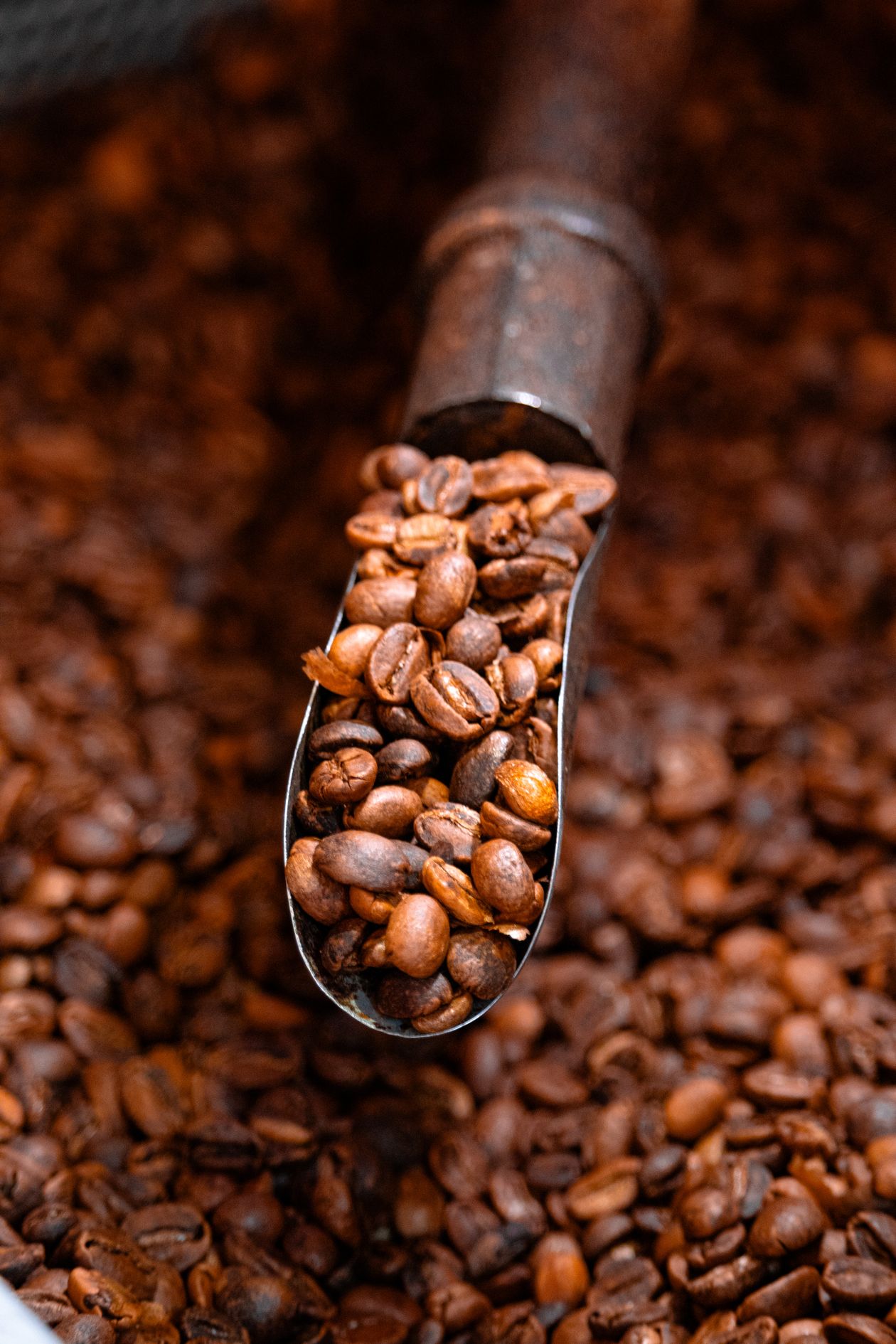
Most storage problems disappear when the buying habit changes. Fresh beans in small amounts from a roaster a few miles away, like Sospeso Coffee Roasters on South Main Street in Waxhaw, need no heroics: a sealed bag in a cabinet, finished inside three weeks, beats any storage technology applied to a two-month supply.
The pantry audit: where coffee actually lives in most homes
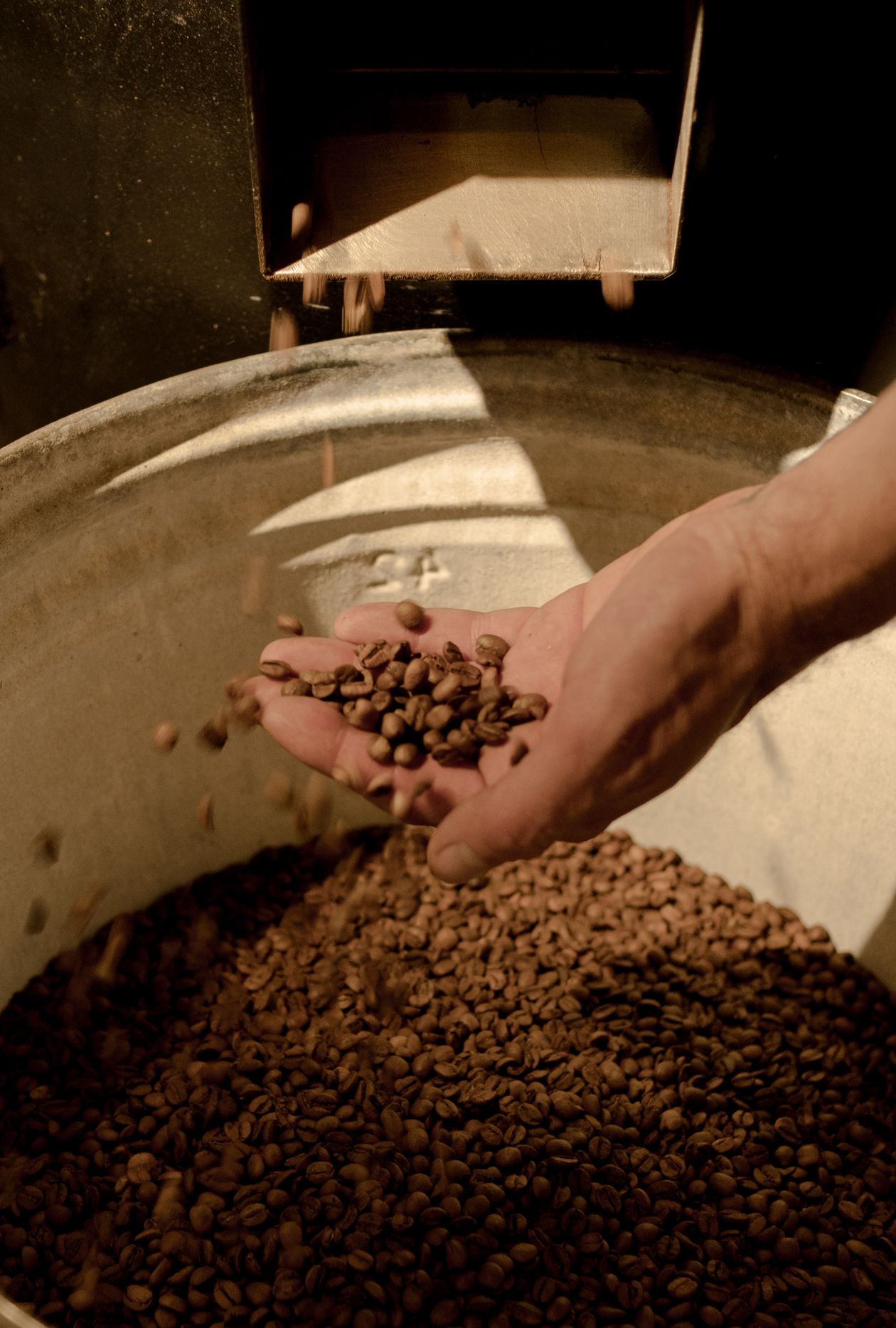
Walk through the common storage spots and grade them honestly. On top of the refrigerator: warm from the appliance's heat, and vibrated daily, a poor spot. Beside the stove: heat and steam, worse. In a decorative glass canister on a sunny counter: it looks like a magazine and stores like a greenhouse, since light and heat both work on the beans all day. In the cabinet above the coffee maker, away from the oven: the unglamorous winner in almost every kitchen. Storage advice rarely needs buying anything. It mostly needs moving something about four feet.
Gifts, big bags, and the freshness math
The warehouse-sized bag is the freshness trap with the friendliest face. Do the math before the savings seduce you: if your household brews one pot a day, a bag that lasts six weeks spends half its life past the peak window, and the discount was paid for with the best part of the coffee. The same logic applies to gift bags received faster than they are drunk: freeze the surplus in portions immediately rather than lining bags up to age in sequence. And if you find a forgotten bag three months old, brew it as cold brew before you judge it, since the gentle method forgives age better than any other.
Common questions
How long do beans keep in a sealed bag, unopened?
Roasted coffee peaks in the first month, and an unopened valve bag holds quality reasonably for about four to six weeks. After that it declines steadily, faster in heat.
Does an airtight canister really beat the roaster's bag?
Once the bag is partly used, yes, mainly by reducing the air trapped with the beans. Early on, a good valve bag is comparable.
Ground coffee: any storage tricks that help?
Only smaller quantities and airtight sealing. Ground coffee stales in days regardless of method, which is why grinding per brew is the real fix.
Photos in this guide are representative stock images.
← All guides from Sospeso Coffee Roasters← Back to Sospeso Coffee Roasters